Wednesday

Best baby care


baby massage
Since skin is the largest organ in the body, touch is extremely important. The following preparation and useful techniques can assist you in giving your precious baby a spa experience!
How to start
You will need: 2 soft towels, a clean diaper, natural baby massage oil & little baby! Begin the baby massage when you and your baby are in a relaxed, calm state. The best time is usually before your baby’s bath, at least a half hour after the baby has eaten. Sit comfortably on the floor with the soles of your feet together and form a diamond shape with your legs.

 Be sure to select a place without drafts and make sure the room temperature is a warm 78 degrees. Then drape a soft towel over your lap. Undress your baby, just leaving on a clean diaper and rest your baby on the towel over your legs so your baby will feel comfortable and secure. Cradle your baby’s head with your feet. 
Then put some baby massage oil on your clean hands and rub them together so they will be soft and warm before you start. Your baby will not be happy if he or she receives a massage from cold hands! Then using massage oil for baby, begin with long gentle strokes from your baby's head to his or her toes. If you find that your baby responds well to the massage, proceed to gently massage your baby’s body section by section. If your baby does not cooperate, simply massage him or her at another time.
 
While you massage your baby you may want to softly talk, hum, sing and/or play healing meditation music during the massage. To further bond with your baby, give your little one eye to eye contact during the baby massage.

Sunday

Breastfeeding and Nutrition Food

The Special Supplemental Nutrition Program for Women, Infants and Children. breastfeeding support, referrals and a variety of nutritious foods to low-income pregnant, breastfeeding or postpartum women, infants and children up to age five to promote and support good health.Good health and nutrition is important while breastfeeding. If you are not eating good quality food your body will not produce good quality milk for your baby

You may not believe this but breastfeeding nutrition is just like other forms of nutrition but with a few slight differences. It is necessary to make sure that you eat healthily with plenty of fruit and vegetables.

It is also essential that you eat the recommended daily amounts of protein, fat, carbohydrates, vitamins, minerals and fiber. However, there are a few minor differences between breastfeeding nutrition and normal nutrition that you may want to take note of to ensure that you adhere to the best diet possible for you and baby.

The first point is to watch what you are eating in regards to fish. Fish never use to be an issue but with increased pollution of the seas and oceans, it is necessary to limit the amount you eat when pregnant and when you are breastfeeding to make sure that your baby is not harmed.

You should, though, drink plenty of water to make sure that you stay hydrated because you will feel far worse than you need to otherwise. Although not drinking enough will not pose a problem in terms of how much milk you produce, it will make your body begin to show a little lethargy and thus will not make you very happy, especially with little sleep as well.

The best way to make sure you are getting the right nutritional requirements is to maintain a well balanced healthy diet. Eating lean meats, nuts, dairy and a wide variety of fruit and vegetables.

Wednesday

Baby care ,baby food, baby massage

Post-Pregnancy Nutrition food
The day is finally here! After fussing over what you eat, censoring menus, and doing without some of your favorites for nine months (or more), you’re finally free!! Now you can eat whatever and whenever you please…right?

As you have probably already guessed, unfortunately, the answer to that question is “No.”

Even if you’re not breastfeeding, you’ll still be “eating for two” in many ways. Nursing moms need to monitor their menus and watch for changes in their baby’s behavior.

And both nursing and formula-feeding moms are going to need plenty of energy, strength, stamina, alertness, endurance, and drive over the coming months. That means loading up on nutrients and eating a well-balanced diet.

Baby care

our Newborn Baby’s One by One Steps Every baby looks different, and all of them are beautiful. But most babies have some physical idiosyncrasies right after birth. Here’s what to expect.

Your baby’s head is probably large compared to the rest of his body. (His head may also have a bump or two from labor or from help he received during birth.
His eyes may be bloodshot and eyelids swollen. He may also occasionally cross his
eyes in the first weeks.
His skin may be dry and flaky with a rash or
Baby care
Baby boy and girl breast tissue may be swollen due to your hormones which still remain in his body. Take lots of pictures! Your baby’s look will change quickly in the first week.
Baby Sensory Motor Development: Every Little Thing He Does Is Magic From the moment your baby enters this world, he’s learning. It’s good to keep in mind that he’s lived nine months in a dark, warm, and cozy womb and is now in the bright open space of the big world.
His senses are being bombarded. Is it any wonder that he’s so unpredictable during the first month? Through His Eyes:
How Your Baby Sees He stares at objects, but doesn’t reach for them, and sees best within 12 inches of his face.

Baby care and food ,Baby massage

six-teaspoon petroleum jelly, two-teaspoon glycerin and two-teaspoon lemon juice. Apply this moisturizing lotion at least twice a week if you have dry and flaky, arms and legs

and grate a cucumber. Squeeze the juice to this, mix half-a-teaspoon glycerin and half-a-teaspoon rose water. Apply this on sunburns, leave it for some time.
If you have cracked heels, melt paraffin wax; mix it with little mustard oil and apply on the affected area. Leave it overnight. After 10 or 15 days, your heels will become smooth.

Massage your body with a mixture of coconut oil and any of your favourite scented oils like lavender or rosemary.

For rough palms, use a mixture of glycerin and limejuice in equal proportion.

Babyfood recipes
Vegetable baby food recipes
* 1/2 cup quinoa
* 1 cups water or vegetable stock from the cooked vegetables
* 1/4 cup red lentils
* Broccoli, cauliflower or any other vegetable your baby likes
* 1 teaspoon finely chopped fresh herbs
* Butter (optional)
* Grated cheese (optional)

Cook the vegetables until soft, drain (but keep the stock), keep warm on one side. Use the stock to cook the quinoa together with the red lentils until soft and the water is completely absorbed. Add a bit of water if needed. Stir occasionally.
Posted by sujatha at 2:45 PM 0 comments
Labels: Baby care baby food
Protect your baby -Weather
When you are in the move with your small baby you always feel insecure about your baby’s slipping problem. But when you use this all weather protection cover you should feel easy to handle and tension free. It also protects your baby from cold keeps your baby warm and protects from rain because it is waterproof.
Protect your baby
It is a all-weather protection kit for baby care, it does not give any disturbance to the baby, and, due to its quality of itself fastens and not require any carrier, this Carri cover baby carrier cover is easy to use on almost on the all the leading brands as the , Baby Bjorn, Mother care, Boots and all brands of baby slings. It is 100% waterproof and has a fleece-line. It is made as Reversible covering. When you do not use it as a baby carrier you can use it as an outdoor suit. It is Fold able so easy to carry. It comes in black colour. It can Fits up to 9 months.

Baby care and food

Breast milk is the perfect food for a baby, it contains all the nutrition your baby needs for the six months, with the added bonus of antibodies and other properties important to baby’s health and development. Health authorities recommend that you breastfeed your baby for at least six months if possible.

1. Infant formula is the only suitable alternative to breastmilk. It is modified to meet baby’s needs and must always be mixed according to the directions on the container.
2. Babies don’t need to start on other foods until they are ready which is normally around the age of six months. The ideal first food is a baby cereal mixed with baby’s regular milk, followed by fruit and vegetable purees introduced one at a time. In the beginning baby needs to be offered his regular milk (breast or formula) before he is offered solids.
3. Introduce lumpy foods after three to five weeks of pureed food. Gradually make it more and more lumpy because this will help baby learn to chew even if she has no teeth. Add finger foods to baby’s diet around about eight months. By the time baby reaches her first birthday she should be eating regular family food with some modifications. Ready made baby food in cans, jars or frozen is ideal as an occasional meal but is not suitable for everyday use.
4. Keep meal times relaxed, offer baby a variety of healthy choices and never force him to ‘eat up’. If he is hungry you can always offer him more.
5. Babies don’t need sugary foods, salty, fatty foods or fast foods. Low fat foods are also not acceptable, baby needs nutritious choices.
6. Soft drinks are not suitable for babies or toddlers. Milk and water are all baby needs with occasional juice drinks, watered down 50/50. At meal times baby should be offered water to drink.
7. Iron and calcium are important nutrients in a baby’s diet. Iron can be found in breast milk, lean meat, chicken, eggs, fish, legumes, fortified baby cereals, wholegrain cereals, dried fruits and dark green leafy vegetables. Calcium is found in breast milk and infant formula, dairy products, calcium fortified soy products, tinned sardines and salmon.
8. Learn to read the labels on food you buy in the supermarket. Ingredients are listed in order with the greatest quantity first. If you find ingredients you would not normally put into your baby’s meal then don’t buy the product.
9. Be careful when you prepare the family’s food. Always wash your hands before handling food and keep raw and cooked foods separate. You can find out more about hygiene and food.

Saturday

Baby food chart and tips

Fruits are the best weaning foods as they are easy to digest. They should be mashed and then given.

Seasonal fruits like papaya, chikoo, apples, bananas are very healthy.

Mashed fruits are a good first weaning food. They are easy to digest and palatable to the baby.

You can also offer apples instead of bananas to your baby.

Take an apple and cut it into pieces, taking care to remove the center core. Boil it and then mash it either with a spoon or in a mixer.

Start with half an apple and increase it to the limit accepted by the child. It has been observed that many babies get constipation with apple. In this case, try other fruits like papaya.

Other seasonal fruits
Other seasonal fruits like pears (to be prepared like apples), chikoo (simply mashed), papaya (simply mashed), mango (simply mashed) can also be given.

It has been observed that papaya helps soften stools if the baby is constipated.

1.Dal and rice kichidi

You will require 4 tablespoons of rice and 2 tablespoons of dehusked moong dal.
Prepare khichri by cooking rice and dal together, with a pinch of salt (added to taste).
Once khichri is cooked, you can add 2 teaspoons of ghee, butter or cooking oil to the final preparation.
You can also add vegetables like carrots or spinach to the khichri and then mash the mixture. If you want to add spinach, first boil, mash and strain it, and then add this puree to the khichri and stir it. Cool the khichri and serve lukewarm.
When the baby is still young, you should mash the entire mixture in a blender so that it is easy for the baby to swallow. You can gradually increase the consistency to a semi-solid state so that the child's palate starts getting used to regular foods.

Rice preparations are very healthy for the baby.If vegetables and pulses are added to the rice as in khichri then it becomes a full meal and is very nutritious and filling.Rice should be cooked well till tender. Here ate some recipes.

This is one of the simplest recipes of khichdi you can imagine. Great not just for sick people but also when you want to eat light after a heavy lunch. Skip adding ghee on top of khichri if you are calorie conscious.

2.Recipe of rice moong dal khichdi/

1 cup rice

1/2 cup moong dal (split, skinless green gram)

4 cups of water

1 tbsp ghee (clarified butter)

1/2 tsp cumin seeds

Salt to taste

1/2 tsp turmeric powder

A pinch of hing (asafoetida)

1/4 tsp red chilli powder

1. Wash and soak rice and moong dal for 10 minutes. Drain.

2. Heat ghee in a pressure cooker and add cumin seeds. When they turn darker, add hing.

3. Add rice, dal, salt, both the spice powders and water. Mix and close the lid of the cooker.
 border=3.Rice and milk payasam
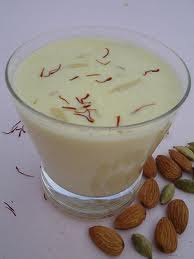
This is a simple recipe to ensure that the child gets rice (for carbohydrates) and milk (for calcium). Mix 1 cup of boiled rice with 1 cup of milk and 3 tablespoons of sugar. Cook it on the gas for 10 minutes (keep stirring) and allow the mixture to thicken. Cool and serve lukewarm. You can also add badaam (almonds) scapings and elaichi powder for taste.


Proper cooking and feeding tips should be incorporated to avoid loss of valuable nutrients.

Feeding tips should be encouraged early in a child. Here are some tips for feeding and cooking tips.

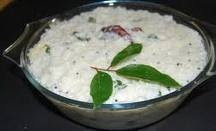
4.Curd Rice(Yogurt)
1 cup boiled Rice
2 cups Yogurt (Curd)
2 tblsp Oil
1/4 cup Milk
Finely chopped Coriander Leaves
1-2 Green Chilies(optional )
1 tsp Chana Daal
1 tsp Urad Daal
1 tsp Mustard Seeds
1 1/2 tsp finely chopped Ginger
2 tblsp desiccated Coconut
1/2 tsp Salt
 border=
How to make curd rice :
In a saucepan heat 2 tablespoonful of oil.
Add mustard seeds to the oil.
When the mustard seeds start popping add chana and urad daal.
After a minute, add in the ginger, coriander and green chilies.
Saute them for a minute. Take the pan off the gas.
Add in the rice.
Mix the salt and desiccated coconut.
Just before serving, mix all the ingredients with yogurt (curd) and milk.
Feeding Tips

* Washing hands before and after meals should be encouraged.
* Children who do not eat enough at a time should be offered food every 2-3 hours. However, do not force your child to eat.
* Encourage the child to eat with a spoon or with his own fingers.


Cooking Tips

* Use less of sugar, salt and refined flour (maida or all-purpose flour) preparations.
* Unpolished rice or par-boiled rice is better than polished rice.
* Do not overcook vegetables, they lose their nutritive value.
* Do not cook fruits since the essential vitamin C is lost.
* The skin of many vegetables is rich in vitamins and minerals, so offer fresh fruits to the child with their skins.
* Wherever possible, use jaggery instead of sugar, since it is very high in iron.
* Avoid adding too much spice.

Organic food contains higher levels of vitamins and essential minerals


You have realised your child is a very fussy eater. You make the most delicious foods for him, but he will not eat. You try to distract him with toys, but that doesn't work either. You've tried the high chair, the swing and the garden, but he simply refuses.

Sunday

Introduce Baby Food

How To Introduce Baby Food To Your Baby

As your little one reaches the age of five or six months, it's time to start thinking about introducing semi-solid foods into his or her diet. Before then, mother's milk is the best food for a baby. Breast milk is easy to digest and provides a rich supply of vitamins and disease-fighting antibodies for the baby. It also fosters a close bonding experience between the baby and his or her mother.

While most mothers have enough milk to satiate their little one's hunger, the decision to breastfeed is a deeply personal one. Breastfeeding may not be preferable to all women. For mothers who can't breastfeed or who decide not to, baby formula is a healthy alternative.

Babies should be fed with semi-solids only after the rooting or sucking instinct leaves them. This happens by the fifth or sixth month. At first feeding time will be messy, and probably frustrating, as your baby gets used to the unfamiliar taste and texture of baby food. Some babies will cry because they cannot get food fast enough, while others will spit out the alien texture of semi-solid food. Lots of patience is needed until your baby develops a taste and appetite for the new kinds of food you are introducing into his or her diet.

It's a good idea to keep the use of store-bought jarred or tinned foods to the minimum. Many of them have additives, extra starch and high levels of sugar. If you decide to make your own baby food, hygiene should be your first concern, followed by nutrition.

- Rinse all equipment with hot water.

- Boil utensils such as spoons, knives and mashers.
- Do not store cooked food in the refrigerator for prolonged periods.
- Discard any leftover baby food, as bacteria forms quickly in unfinished meals.
- Make sure that you introduce new items slowly and in small doses.
- Start with baby cereal; then introduce vegetables and fruits; and then start introducing meats.

When you start introducing semi-solid foods to your baby, he or she should be reasonably hungry by mealtime, but not overly hungry. The first semi solid food all my children started with was iron-fortified infant rice cereal mixed with breast milk or formula. After that I started introducing vegetables; then fruits; then meats.

At the beginning, babies should have finely pureed foods, as they get a little older and have both upper and lower teeth for chewing, introduce foods that are a little chunkier. As your baby grows, introduce a wider variety of food. If he rejects something, replace it with something else. You can introduce the rejected item after a few weeks or a month.

Although the baby food you make yourself at home is best, not all parents have the time to make homemade baby food. There are some good commercial choices on the market today. Baby food manufacturers understand parents want wholesome baby food for their parents. There are several all natural and organic baby food choices now available to parents – foods that are a safe and healthy alternative to homemade.

Monday

Baby vaccinations

Baby vaccinations

The vaccinations also called immunizations are very effective and give infants power to resist contagious and serious health conditions. This will protect the babies against many diseases such as tetanus, diphtheria, pertussis, measles, mumps, polio virus, hepatitis B and Streptococcus pneumoniae bacteria.This immunization and vaccination schedule may vary depending upon where you live, your child's health, the type of vaccine, and the vaccines available. Ask your doctor about which vaccines your child should receive. Check with your doctor or nurse to make sure your baby is getting immunized on time. Also make sure you ask your doctor or nurse to give you a record card with all the dates of your baby's shots and be sure to bring it to every visit.

Your baby need vaccinations or immunizations due to the following reasons. Vaccination is the administration of antigenic material in the infant's body. The importance of immunization is that it helps to protect the infant's body against any infectious disease. It offers the life- long protection and security to the infant against deadly diseases which might invade its body any time through out its life.

Your baby's vaccination and immunization schedule may recommend the following vaccines:

* Birth- Hepatitis B
* 1-2 months- hepatitis B
* 2 months- DTaP (diphtheria, tetanus and pertussis) vaccine, Hib vaccine, polio vaccine, pneumococcal conjugate vaccine (PCV)
* 4 months- DTaP, Hib vaccine, polio vaccine, PCV.
* 6 months- DTaP, Hib, polio (6-18 months), PCV, hepatitis B (6-18 months)
* 12 months- MMR (12-15 months), Hib (12-15 months), chicken pox (12-18 months), PCV (12-15 months)
* 15 months- DTap (12-18 months)


1. Diphtheria, Tetanus and Pertussis Vaccines (DTaP): Diphtheria, tetanus, and pertussis are serious diseases caused by bacteria. Diphtheria and Pertussis are spread from person to person. Tetanus enters the body through cuts or wounds.

Diphtheria causes a thick covering in the back of the throat and nose. It can lead to breathing problems, paralysis and heart attack.

Tetanus (Lockjaw) Vaccine: Tetanus causes painful tightening of the muscles, usually all over the body. It can lead to locking of the jaw so the baby cannot open his mouth or swallow.

Pertussis (Whooping Cough) vaccine: Pertussis causes coughing spells so bad that is hard for babies to eat, drink, or breathe. These spells can last for weeks. It can lead to pneumonia, seizures and brain damage.

Diphtheria, tetanus and pertussis vaccine (DTaP) can help prevent these diseases. Most babies who are vaccinated with DTaP will be protected throughout childhood.

Babies should get 5 doses of DTaP vaccine or immunization, one dose at each of the following ages:

* 2 months
* 4 months
* 6 months
* 15-18 months
* 4-6 years